August 29, 2026
Sony A7 IV Buying Guide: Is It Still Worth It?
The Sony A7 IV is still the most sensible full-frame hybrid you can buy, now that the A7 V has pushed used prices down. Here is who should buy one and what to check.
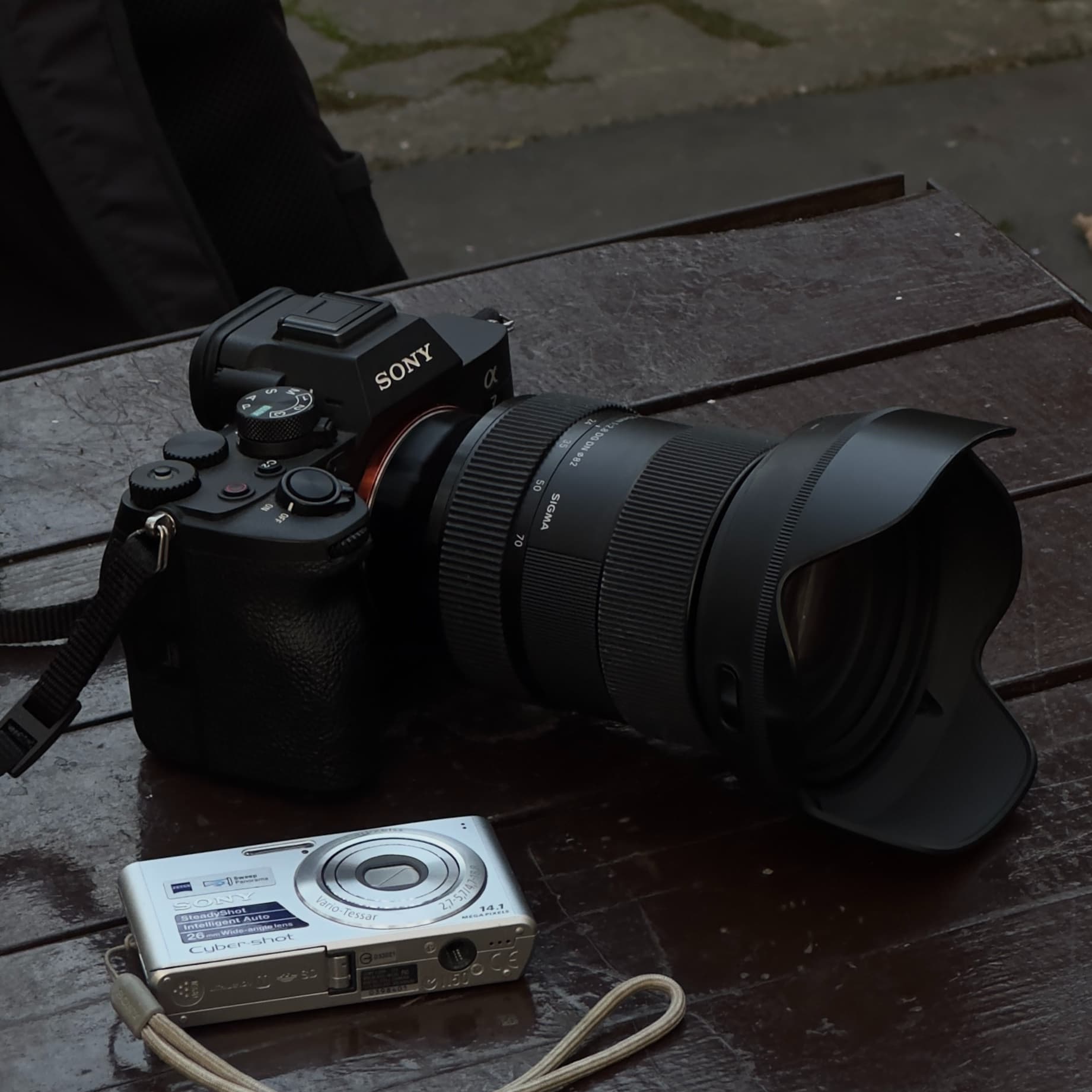
Yes — with one condition. The Sony A7 IV is worth buying in 2026 if the price is meaningfully below a new A7 V, and if you do not need 30 frames per second or 4K at 120p. For portraits, weddings shot at a normal pace, studio work, products, landscape, travel and family photography, it is still one of the most complete cameras you can put in a bag.
What you are buying is a 33-megapixel full-frame hybrid that does almost everything well and nothing badly. The A7 V is faster. It is not three times the camera, and it is not priced as though it knows that.
Why 33 Megapixels Is the Right Number
Sony positioned the A7 IV between the 24-megapixel bodies aimed at speed and the 60-megapixel A7R line aimed at resolution, and 33 turns out to be the sweet spot for most people. The files hold enough detail to crop hard or print large, and they are still small enough to edit on a normal laptop without your machine grinding to a halt. Anyone who has tried to cull a wedding shot on a 60-megapixel body understands why that matters.
The sensor is backside-illuminated, which means clean files well into high ISO. Sony's colour science has also moved a long way from the cold, clinical rendering the brand had a reputation for a decade ago. Skin tones out of an A7 IV need very little work.
Autofocus, and Why Firmware 6.01 Matters
Subject tracking on the A7 IV is genuinely excellent — real-time eye detection for people, animals and birds that locks on and stays locked while you concentrate on the picture instead of the focus point.
One detail matters if you are buying used. Sony released firmware version 6.00, withdrew it because of bugs, and shipped 6.01 in January 2026. That update noticeably improved autofocus reliability, particularly with third-party lenses. Check the firmware version in the menu before you buy, and update it if the body is on anything older.
That point is not academic on a body sold with a Sigma lens. The A7 IV we currently have in stock is paired with the Sigma 24-70mm f/2.8 DG DN Art — one of the best value fast zooms on E-mount and, for most people, the only lens they need for a year. On current firmware that combination focuses as reliably as a native Sony zoom.
Who Should Not Buy This Camera
Be honest about what you shoot. If your work is fast action — sports, birds in flight, busy event floors, serious hybrid video with long 4K takes — the newer bodies with stacked sensors and faster readout will make your life easier, and the difference is real rather than marketing. The A7 IV's burst rate and rolling shutter are its weakest points.
If you mostly shoot deliberately, at your own pace, none of that will ever limit you.
What to Check When Buying a Used A7 IV
A modern mirrorless body needs a completely different inspection from a vintage camera. Start with the shutter count, which you can read from the EXIF data of a recent file using a free online tool. The A7 IV shutter is rated in the hundreds of thousands, so a body under about fifty thousand actuations has most of its life ahead of it.
Inspect the sensor directly. Remove the lens, set the camera so the shutter is open, and look across the sensor at an angle in good light. Dust is normal and cleans off. What you are looking for are scratches on the sensor's front glass — usually caused by someone cleaning it badly — because those are permanent and show up on every frame at small apertures.
Check both card slots. The A7 IV takes CFexpress Type A or SD in slot one and SD in slot two. Put a card in each, write files to both, and read them back. A failed slot is an expensive repair.
Work the fully articulating screen through its full range and watch for flicker in the hinge. Look through the viewfinder at a bright even surface and check for dead pixels or dark patches.
Check the lens mount for wobble and the rubber grip for the lifting and stickiness that Sony bodies develop with heavy use — cosmetic, but a reliable sign of how hard the camera has worked.
Finally, ask for the batteries. The A7 IV uses the NP-FZ100, which is a genuinely good battery, but capacity drops with cycles. The camera reports battery health in the menu — check it rather than guessing, and budget for a second battery regardless.
The Verdict
The A7 IV is the camera to buy when you want to stop thinking about cameras. It shoots almost everything competently, the lens ecosystem around it is the deepest in the industry, and the arrival of the A7 V has made it better value than it has ever been.
At Silver Cam we check shutter count, sensor condition, both card slots, viewfinder and battery health on every modern body before it goes on the site, and we list the actuation count openly. We also buy and take trade-ins on current mirrorless gear, not just vintage.