August 28, 2026
Instax Mini 12 vs Mini 9: Which One to Buy
The Instax Mini 12 sets exposure automatically; the Mini 9 makes you do it by hand. Here is which instant camera is right for you, and what to check before buying.
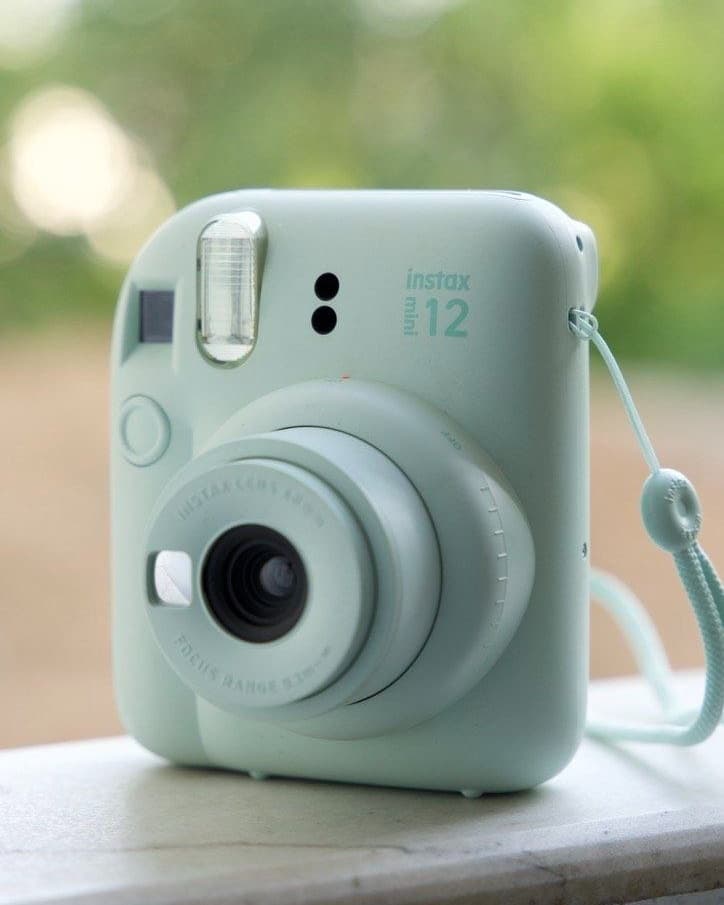
Both of these cameras take the same film and print the same picture. The difference is who sets the exposure. The Instax Mini 12 measures the light and does it for you. The Mini 9 has a dial on the front and expects you to read the light yourself.
If the camera is a gift, or it will be passed around at a wedding or a birthday, buy the Mini 12. Automatic exposure is the difference between a night of good photos and a night of washed-out ones. If you want to pay less and you do not mind turning a dial, the Mini 9 still takes the identical print for less money.
The Film Is the Same, So Stop Worrying About That
Both cameras use standard Instax Mini film. The cartridge is identical, the card is 86 by 54 millimetres, and the image area is 62 by 46 millimetres — credit-card size with the familiar white border. A pack holds ten shots. Nothing you buy for one camera is wasted if you later switch to the other, and no adapter or special version exists. This is the single most common question people ask, and the answer is simply that the film does not care which body it goes in.
What the Mini 12 Actually Changed
The Mini 12 has a light sensor that reads the scene and adjusts the shutter automatically, choosing a speed anywhere between half a second and 1/400th. You point the camera and press the button. In a bright courtyard it picks a fast shutter; in a dim room it slows down and lets more light in.
The Mini 9 does not do this. It fires at a fixed 1/60th of a second every single time, and the only variable is the aperture you set with the dial on the front. The camera lights up a small lamp telling you which of the four settings it thinks you should use — indoor, cloudy, sunny, very sunny — and you turn the ring to match. Get it wrong and the print comes out blown out or too dark. There is no undo on a sheet of instant film.
Two more practical changes. The Mini 12 turns on by twisting the lens barrel, and twisting one stop further engages close-up mode for shots inside about 30 to 50 centimetres. The Mini 9 needs a small plastic close-up lens that clips over the front, and that clip-on is the single most commonly lost accessory in instant photography. The Mini 12 also has a parallax-corrected selfie mirror, which means what you see in the little mirror is closer to what actually lands on the print.
Where the Mini 9 Still Makes Sense
It is cheaper, and that matters when the film is the real ongoing cost. It is also the more interesting camera if you want to learn something. Setting exposure by hand on a fixed-shutter camera teaches you what aperture actually does, in a way no automatic camera ever will, and the feedback arrives in ninety seconds on a physical print.
The manual dial also gives you deliberate control the Mini 12 will not hand over. If you want a slightly bright, airy, overexposed look, you can force it by choosing a wider setting than the meter suggests. The Mini 12 will always correct back toward a normal exposure.
What to Check When Buying Used
Open the film door and look at the rollers — the two pale cylinders the print passes between as it ejects. They must be clean and free of dried chemical residue. Streaks and repeating blotches down every print almost always trace back to dirty rollers, and they wipe clean with a damp cloth.
Put batteries in and check the flash. Both cameras fire the flash on every shot by design; you cannot turn it off. A flash that does not fire, or that takes more than about ten seconds to recharge, means the camera is not usable as intended.
On a Mini 9, turn the exposure ring through all its settings and confirm it clicks positively into each one and that the indicator lamps respond. On a Mini 12, twist the barrel out to the on position and then to close-up and back, listening for grit or looseness.
Check the battery compartment for corrosion — white or green crust on the contacts. Instant cameras get left in cupboards with batteries inside, and this is what happens. Light corrosion cleans up; deep corrosion is not worth buying.
Finally, run one pack of film through before you trust it with an occasion. An instant camera that has sat unused for years sometimes needs a few frames to settle.
The Short Answer
Buy the Mini 12 for anyone who just wants photos to come out right. Buy the Mini 9 if you want to save money or you genuinely want to control the exposure yourself.
Silver Cam stocks both, tested with real film before listing — we do not sell an instant camera we have not put a pack through. We clean rollers, check flash recharge times and battery contacts on every body, and we buy instant cameras you no longer use.